
Name the procedure before choosing the package
You can book an appointment knowing only the package name, then discover that the question on your mind is about how the session itself is performed. When you speak with the specialist, ask: "Which type do you recommend for me? Does it involve skin incisions?" This is a clear question even if you don't know all the common names. If you are given a name you haven't heard before, ask for a description of what will be done and what would change if you chose another option. The number of cups in a package is information about the package, while the details of the procedure need a separate explanation.
What difference matters to you between dry and wet?
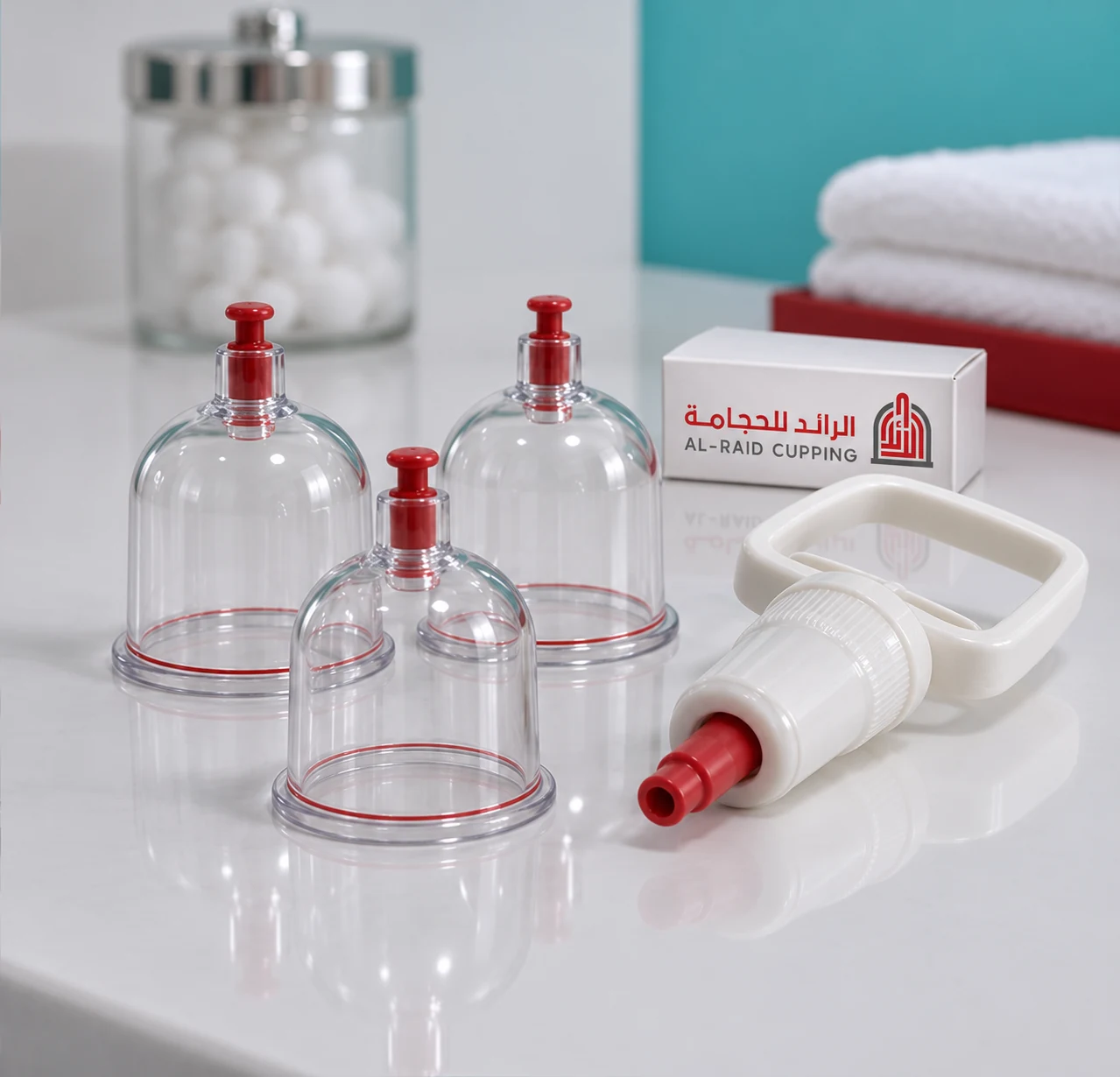
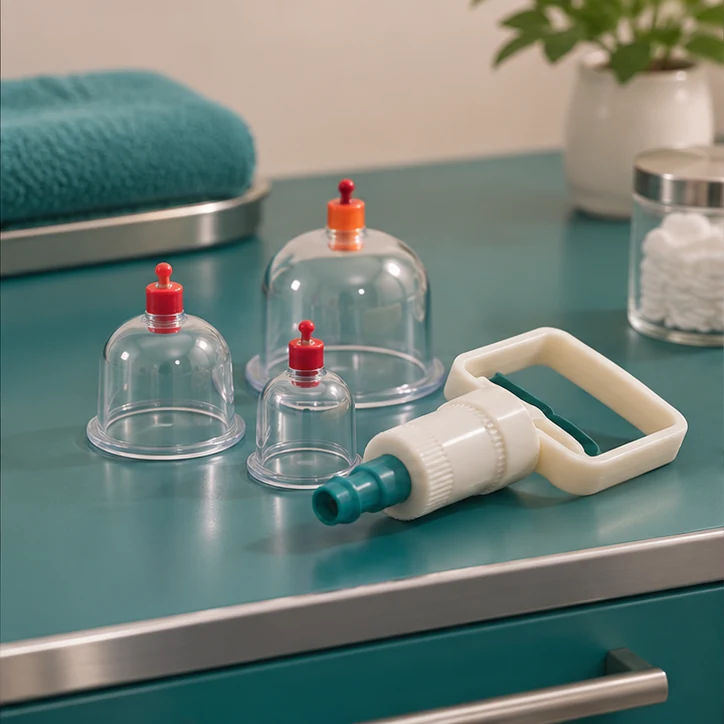
According to the U.S. National Center for Complementary and Integrative Health, cupping involves suction using cups placed on the skin. In dry cupping, the procedure does not involve skin incisions, whereas wet cupping involves incisions and blood flowing into the cup. This is an important point to ask about before you agree, because you may hear the word "cupping" and one person means dry while another means wet. If you see a device or cups in a package photo, don't rely on the image to identify the type. Ask the specialist to describe what they intend to do in your session specifically, and ask about alternatives if you prefer a procedure without incisions.
Tell the specialist what you expect from the visit
Before asking "Which is better?", try to define what "better" means for you. Perhaps you came because someone suggested cupping and you simply want to know whether it is suitable for you. Or you have a question about a specific condition and want to know whether it requires another assessment before you begin. Say this from the start. You can say: "This is why I'm visiting, and I want to understand what can realistically be expected from this option." Stating your goal helps the specialist clarify how to address your question and gives you a chance to review your expectations before you book a series of sessions or pay for a larger package than you planned.
Ask about the evidence available for your specific goal
The U.S. National Center for Complementary and Integrative Health notes that research on cupping is of varying quality, that the evidence for pain relief is not strong, and that there is not enough good research to draw conclusions about many other uses. Ask the specialist what can be expected for the goal you mentioned instead of settling for general promises. Useful questions include: "How will I know whether the session achieved what I came to ask about? And if the situation doesn't change, what is the appropriate next step?" If you are following a condition or treatment plan with a doctor, discuss the options with them so you know where cupping fits in your plan, if they advise that it is suitable for you.
Describe your previous experience without automatically repeating it
If you have tried cupping before, mention roughly when it was, what you remember about its type, and what happened during or after it that you consider important. You might say: "I had a session a while ago, and I remember it involved incisions, but I don't know the name of the type I booked." This description is clearer than guessing. If you have reservations about something that happened that time, say what you want to be different now, such as knowing the steps in order or receiving written instructions before you leave. A previous experience doesn't mean you should choose the same approach today; ask what the specialist recommends based on the information you share with them now.
Put your health information on the table before deciding
Prepare the names of medications you take regularly or as needed, and mention any instructions from your doctor that are relevant to the session. If you have another medical appointment coming up, ask the doctor concerned about coordinating the timing rather than changing a medication schedule or instructions on your own. Also mention if there is anything in the proposed skin area that you want the specialist to see before starting. If the question is sensitive, ask to speak with the specialist in a suitable place. The booking team needs appointment and availability details, while assessing whether a procedure is suitable requires a direct conversation with the person who will explain the session to you.
Get an answer about equipment and aftercare
Ask the specialist how the equipment is prepared for this session and how contamination is prevented between visitors. In wet cupping, equipment may be exposed to blood, and contamination can also occur in dry cupping; this is why the U.S. National Center for Complementary and Integrative Health emphasizes the importance of sterilizing equipment used for more than one person. You have the right to ask which parts are for your use alone and how the facility handles items that are reused. Then ask about the aftercare the specialist recommends for the proposed type of session, and whom to contact if you need clarification after you leave. If you request an explanation of these points before starting, you can take them into account when making your choice.
Ask about possible effects before agreeing
Cupping may leave temporary marks, and the same reference notes that possible effects include longer-lasting skin discoloration, burns, infection, or scarring. Instead of asking "Is it safe?" in general terms, try: "What effects should I know about with the type you're recommending? And is there anything specific to my situation?" Also ask what to do if you have a question or notice something concerning. Having a clear answer helps your decision and reduces the chance that, after the visit, you have to rely on the experiences of people who chose a different approach.
If you are not comfortable with the suggested option
Take your time asking questions or say that you want to think before starting. The specialist may offer additional explanation, or it may become clear that you need to return to your doctor before arranging the procedure. If you have a specific concern, say for example, "I don't want incisions today; what options can we discuss?" Ask whether an alternative is available and how the package details or price change if the type changes. If you decide to postpone the session, ask the center's team how to rebook once your choice is clear. It is helpful to leave able to explain to yourself why you made the decision, even if the session did not begin at that appointment.
Repeat the agreement in one sentence
Before the session begins, tell the specialist what you understood: "We agreed on such-and-such type, and the area you described, and I'll ask you about aftercare instructions at the end." If something is inaccurate, they can correct it immediately. If information related to price or time changes, confirm it with the team as well. If you are accompanied by someone, share what you are comfortable sharing, and keep the instructions that apply to you. After the session, note the type, the date, and any question you want to return to, because these details help if you get in touch about follow-up or want to compare what happened with what was explained to you the first time.
A short example from the start of the conversation to the end
Imagine you booked a care package without specifying the type and want to understand the difference before deciding. Start by saying: "This is my first visit, and I want to know whether the proposed session is dry or wet, and what changes in price or aftercare if I choose the other option." Mention any health information you want the specialist to know, then listen to their explanation and ask why they are suggesting it. If they say you can postpone the decision, ask how to reschedule later. If you choose to go ahead, take your instructions before leaving and keep the contact method you agreed on with them.
If you hear more than one opinion
A relative may recommend a particular type, while the specialist mentions another option. Ask about the reason without turning it into a comparison between people: "I heard about this type from someone who tried it; what makes you suggest a different option for me?" The answer may reveal that the two experiences were aimed at different goals, or that the details your relative gave you don't describe everything that happened. If you need a medical opinion before deciding, keep the name of the procedure and what it involves as the specialist explained it, so you can ask your doctor about a specific option rather than asking about cupping in general.