
Start with What You Can Ask About
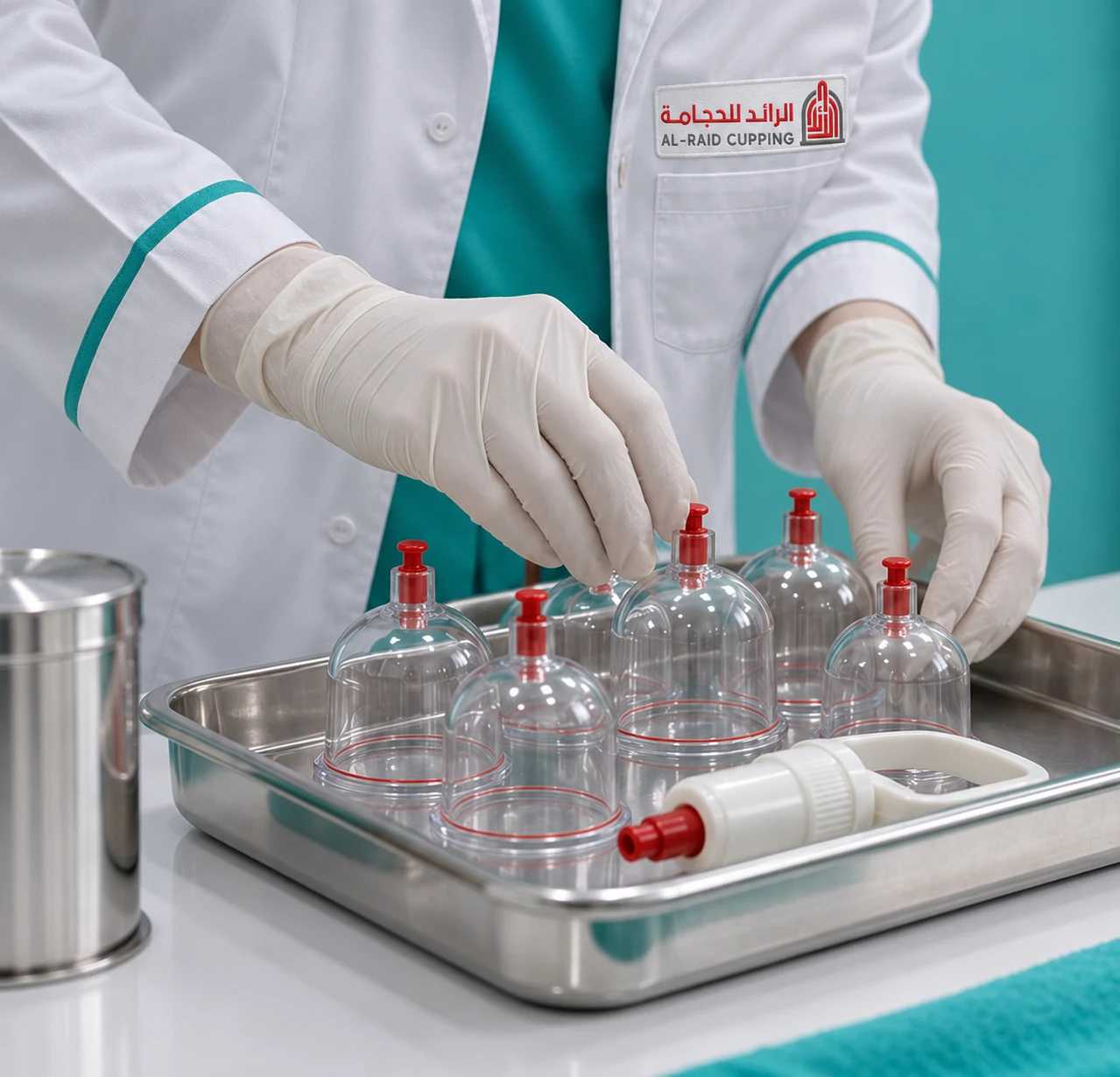
You may enter the room and find a tidy surface and neatly arranged equipment, yet still not know how it was prepared for the next visitor. It is natural to ask the practitioner before the session. You can start with a short phrase: "Could you explain what equipment you will be using with me, and which of it is single-use?" The question gives you an answer related to today's session, instead of settling for a general word like "clean" without knowing what it means.
The U.S. National Center for Complementary and Integrative Health explains that cupping equipment can become contaminated with blood, and that sharing it between people without proper sterilization can transmit bloodborne diseases. That is why the handling of equipment deserves a separate question, even if you are asking about dry cupping. This article helps you frame your questions as a visitor; responsibility for preparing equipment and applying infection-control procedures rests with the provider. You can refer to that center's cupping page to read about the risks.
Specify the Item Instead of Asking About the Whole Place
When you hear the phrase "all the equipment is prepared," ask what that means for the item in front of you. In a single appointment, the practitioner may use more than one thing, such as the cup, the piece placed with it, and some other supplies. Ask them to clarify which part they mean in their answer. For example: "Are we talking about the cup itself now, or the rest of the supplies too?" This question is useful because an answer about one item may be mistakenly understood to cover everything that will be used.
If you do not know the name of the item, point to it from where you are and ask the practitioner to name it. You do not need to touch it or open its packaging yourself. If the equipment differs depending on the type of session you discussed, ask about the type you agreed on today. You can say: "We were talking about two options. If we go with this one, what changes in the equipment you will prepare?" This gives you details you can understand instead of memorizing names of items you may not need at all.
What Should You Ask About Single-Use Items?
First question: "What in this session is intended for single use?" After you hear the answer, you can ask when the practitioner opens it and how they distinguish a new package from equipment that has already been used. If the item was prepared before you entered, ask how the team confirmed it was intended for your appointment. Asking for clarification at that moment is easier than trying to remember everything after you leave. And if the package is not in front of you, ask about the procedure rather than inferring what happened from the scene alone.
Ask where the item goes after use, especially if the discussion concerns something the practitioner described as single-use. You do not need a long technical explanation; it is enough to know how the team separates what was prepared for you from what has already been used. If you are offered choices between types of equipment, ask for clarification of the difference that matters to you as a visitor: does the procedure differ, and does choosing a particular type affect the appointment or its cost? Get the answer before the session begins.
Ask About the Reusable Equipment Preparation Cycle
The practitioner may tell you that some equipment is used for more than one appointment after being prepared. Here you can ask: "How do you handle it from the end of the session until it is prepared for the next person?" Ask them to explain in direct words whichever part concerns your item, and to clarify the difference between a step that removes dirt and a step they describe as disinfection or sterilization. Terms can sound similar to you; what matters is hearing a description of what they actually apply, rather than relying on the name of the step alone.
If the team prepares equipment elsewhere, ask how the practitioner knows it is ready to use before bringing it into the room. If the person you asked is not responsible for the procedure, ask to speak with the practitioner or someone who can explain the center's policy. A clear answer about the item that will be used with you may be enough, and the visit does not have to turn into a tour of the preparation room. If you would like to read the written policy, ask the team whether a copy is available to view.
The Session Space Is Part of Your Question
The conversation may start and end with the cups, while you have another question about the bed, the cover, or the tray on which the equipment is placed. Ask how the session area is prepared between visitors, and what is changed or prepared again. If you see something on the table and do not know whether it is part of your equipment, ask about it before putting your personal belongings next to it. A simple question such as "Where should I put my phone or bag?" is often more useful than guessing while you get ready to sit down.
If there is an interruption during preparation and the practitioner leaves and then returns, you have the right to ask about any step you did not see that affected your decision. Say: "I missed the part where you prepared this equipment. Could you explain it to me?" If you have a comment about the surface or the cover, describe what you saw without accusation. What you see may be related to preparing the appointment or may need review, and an explanation from the person responsible is what helps you understand the situation before proceeding.
What to Do If the Answer Remains General
Some phrases give a good impression but do not answer your question. If someone tells you "everything here is ready," choose one specific question instead of repeating all the questions. For example: "Okay, but is this particular item new or prepared for reuse?" If you hear a term you did not understand, ask for the explanation again about the same item they mean. The person answering you at reception may be able to arrange the appointment but may need to refer preparation details to a colleague inside the session room.
If clarification is not possible at the time, say that you would like to wait until you can ask, or to postpone the decision. Take your time to find out what actually happened, especially if you saw something you did not understand during preparation. If the preparation needs review, leave the handling of the equipment to the team. You can write down the point that remained unclear and come back to it, instead of leaving the conversation with many questions unanswered in a way that relates to your appointment.
Before You Start and During the Visit
Before the session, ask the practitioner whether they have guidance about what you need to touch or should leave to the team. If you are wearing something that hinders preparation of the area, ask for an appropriate way to handle it while preserving your privacy. If you need to ask to stop during the session, use the method you agreed on before starting. It also helps to know whom to address if your question is about equipment preparation or about aftercare instructions following the session.
Keep the most important answer if you want to refer to it on another visit, along with the appointment date and the type of session you discussed. If the type changes or the equipment differs at a later appointment, ask again instead of assuming the details are the same. For a first visit, it is enough to start with three points: What will be used with me today? What happens when something is single-use? And how do you confirm that what is reused is ready for this appointment? These questions give you information that serves your decision at the time you need it.
If you are asking in advance by phone, note the name of the item the answer addressed, and review it with the practitioner on arrival if what was agreed differs from the type of session you were asking about. This way the information stays tied to the equipment that will actually be used, and you can ask about any difference before starting instead of relying on an answer about another appointment or option.