
Before you try cosmetic cupping
You may see a clip of a small cup gliding across a cheek, and hear three different promises in the same minute: radiance, firmness, and improvement in acne marks. Before you book, decide which of these promises is the one that caught your attention. Someone looking for a simple self-care experience is different from someone trying to deal with a persistent spot or inflammation that returns every week. Knowing your goal lets you ask a specific question instead of agreeing to a session while expecting a result that no one explained to you.
If your concern is facial skin, describe what you noticed and when it began, and mention the products or procedures you currently use if you are discussing the matter with a dermatologist. Sometimes the closest route to understanding a problem is to have it looked at by a skin specialist before adding something new to your routine. And if it is simply curiosity, you can ask about the procedure and the risks and take your time before deciding. The mere availability of the service, or how widely its pictures spread, does not determine whether it is suitable for you.
What does a cup on the face mean?
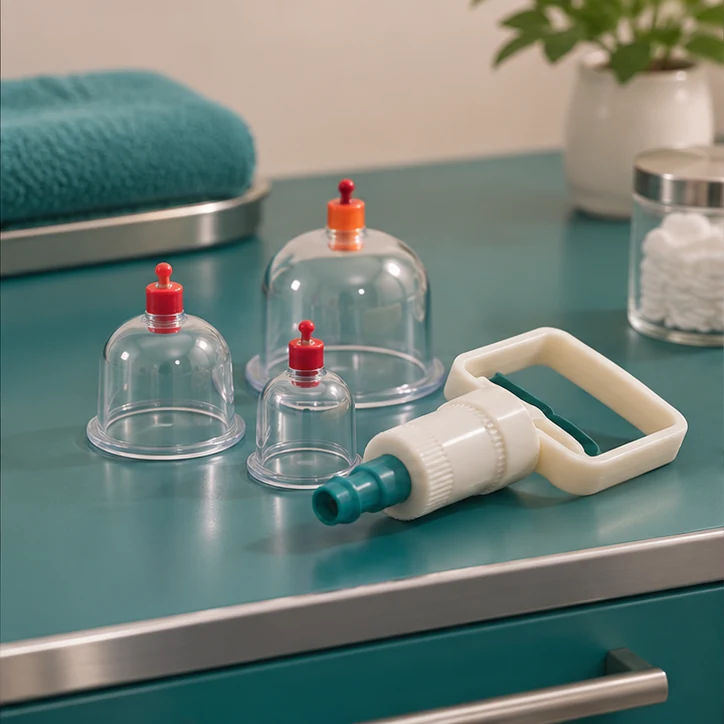
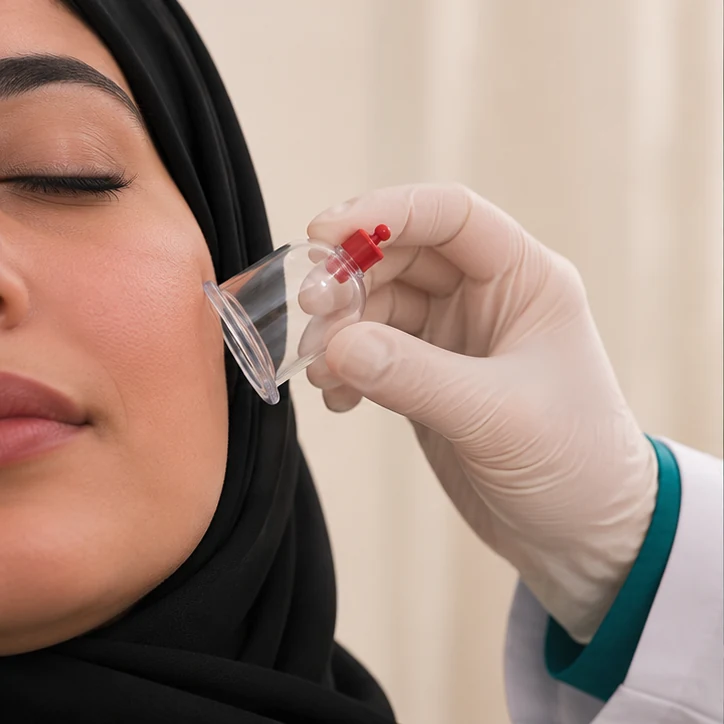
Cupping works by creating suction at the surface of the skin with a cup. Dry cupping does not involve puncturing the skin, whereas wet cupping involves making superficial incisions through which blood comes out. The word “cosmetic” describes the purpose the provider advertises, and you may hear it in the context of facial cups. If the description does not say whether the procedure includes incisions or the use of heat, ask directly. Knowing the details of the method matters more than relying on its name, especially when the face is the area being treated.
Also ask who will perform it and how they explain the steps to you. You can say: “Can you tell me exactly what will happen, which areas you suggest working on, and when I can ask you to stop?” If the explanation is limited to a before-and-after video, ask for a spoken answer to what concerns you. A video may compress minutes into seconds, while what actually matters to you is understanding what will be done, what you may notice on your skin, and whom to contact if a problem appears.
What does the evidence say?
The US National Center for Complementary and Integrative Health notes that most available cupping research is of low quality, that the evidence for pain relief is weak, and that there is not enough high-quality research to draw conclusions about its effectiveness for other conditions. This describes the evidence on cupping in general. A study result about pain cannot be used to prove that cosmetic cupping firms the face or treats pigmentation. When you read any claim, first notice the question the study was trying to answer.
If someone tells you the improvement lasts for weeks, ask what they measured and how they knew it lasted. Were they talking about a temporary appearance after the session, or a change that can be observed after some time? And was the comparison only with the person's own photos, or with a group that did not receive the procedure? You do not need to go into the details of the research to benefit from these questions. It is enough to know that a marketing sentence may be broader than the result a study can support, and that one person's experience does not give a reliable estimate of what will happen to you.
How to read before-and-after photos
Notice the camera angle, the lighting, and the distance between the lens and the face. In one shot the light may come from the front, and in another from one side, so facial lines and shadows appear differently. Head position, or having a product on the skin, also changes the picture. And even if both photos were taken in the same way, ask when the second one was taken. A shot taken right after a procedure is not enough to know what the skin will look like a day or a week later.
If someone sends you a photo and says their skin has improved, you can hear their experience and ask how they described the improvement and whether they used other products or procedures during the same period. Their experience is theirs, and it may help you learn how the explanation went or how long the appointment took. But your decision about a skin problem needs information about the problem itself and the available options. Before paying for a package of sessions, ask how you will know that the result you care about has been achieved, and on what basis you will decide to continue.
Safety is part of the decision
Cupping may leave temporary marks on the skin, and other effects may occur, such as prolonged discoloration, burns, infection, or scarring. Some skin conditions, such as eczema or psoriasis, may worsen. If you have visible inflammation, recurring irritation, or have previously had a problem after a facial procedure, mention this when seeking advice from a dermatologist. Also tell them if you are using a topical treatment or have had a skin procedure recently. The point of asking is to find out what suits your situation, especially if your skin is currently going through a treatment or follow-up phase.
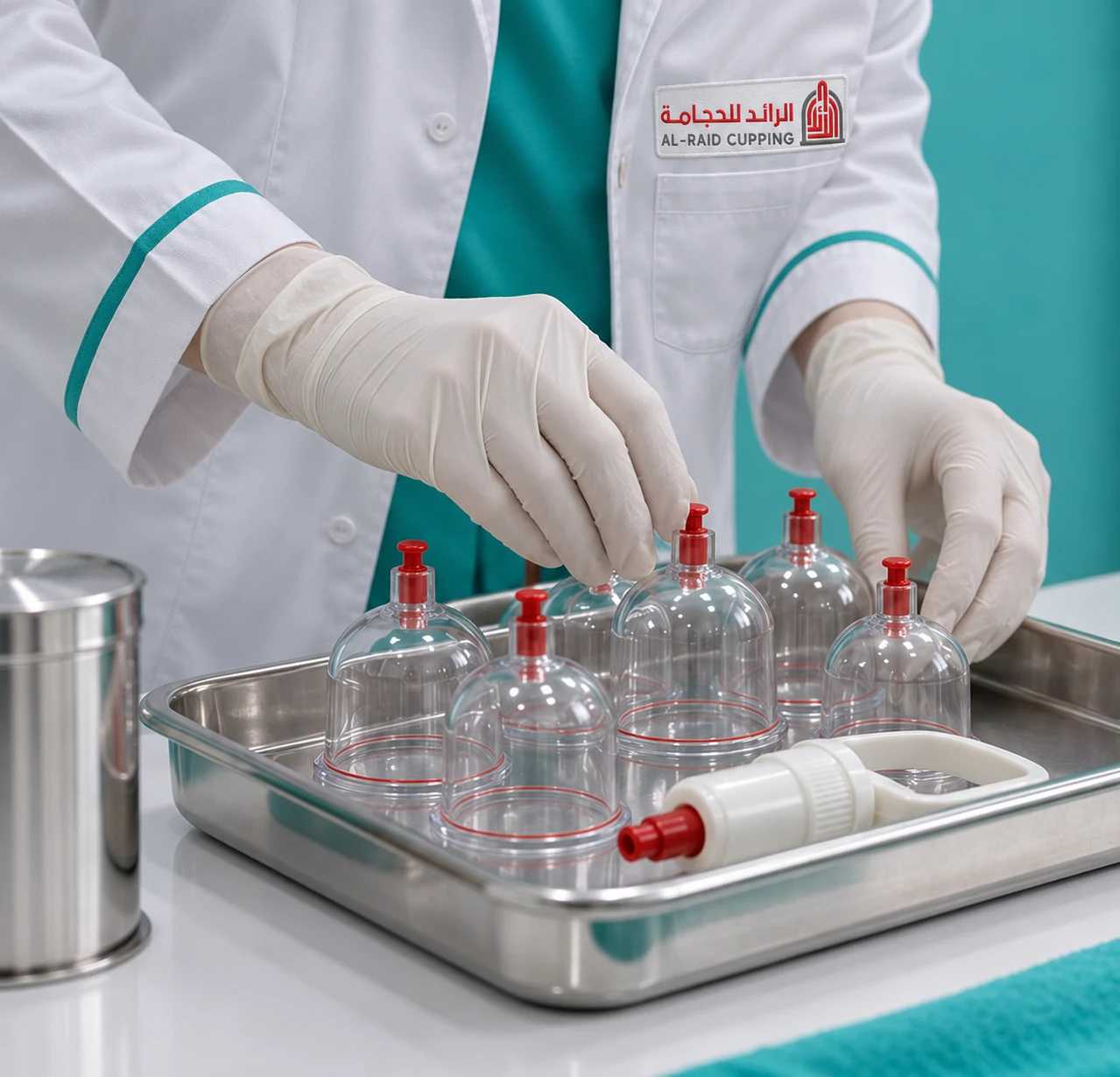
Ask the provider about the cleanliness of the tools and how they handle them between one person and another. Even if the session is the dry type, the health reference notes that tools can be contaminated with blood unintentionally. You can ask which parts are single-use and how reusable parts are prepared. A useful answer is specific and shows what changes from one visitor to the next. And if you do not understand the answer or are not comfortable with the explanation, take your time and think before starting the session.
If you have an event or a photo shoot coming up
You may book because you have an occasion and want your skin to look its best on a specific day. This is worth mentioning when you inquire. Ask about the possibility of visible marks and what the specialist determines for your skin. Because responses vary, make your decision with the possibility of a mark in mind. If it matters to you to avoid any surprise before the event, discuss a plan with the dermatologist or specialist that fits your timeline, instead of building your schedule on a general promise that marks will disappear in a fixed time.
If you have tried another procedure before and your skin took longer than you expected to return to normal, mention what happened. Also note the time during which you want to avoid any mark, whether you have an on-camera job, a meeting, or an event. Those two pieces of information help make the conversation more realistic. And if you cannot get a sufficient answer about what may happen, you can postpone the decision until a time when you are not forced to gamble on how your skin will look on a particular day.
Before you pay or begin
Define what you want to achieve in one sentence, such as “I want to know whether this procedure is suitable for my skin” or “I am looking for an opinion on a spot that does not go away.” Ask about the nature of the session, who performs it, what effects may appear, and how to get in touch if you need an assessment after the appointment. And if the conversation turns to buying more than one session, ask about the cost and booking terms, and whether you can decide after the first visit has given you a clearer picture. Simple questions at this stage save more than trying to interpret a vague promise after paying.
If you are dealing with a persistent problem, take what you have read about cosmetic cupping to your dermatologist appointment and tell them what caught your attention. Ask what can be assessed now, and which options have evidence closer to your problem. And if you then decide not to have the session or to postpone it, record the reason your decision was based on. This may help you when you see a new advertisement, because you will know which question you need answered instead of starting over every time.
Sources
Frequently asked questions
Is cosmetic cupping painful?
You may feel tightness or pulling, and the sensation varies with the method and the area. Tell the specialist if you feel pain or need to stop.
Does it replace Botox or filler?
No. There is not enough evidence to consider it a substitute for medical cosmetic treatments. Consult a dermatologist to assess the option that suits your case.
How many sessions do I need?
There is no uniform rule. The number depends on your goal and your skin's condition, and any additional session should follow an assessment of benefits and risks.