

Start by describing the headache before you look for a session
If someone asks, 'How is your headache?' your first answer may be that it is severe or bothersome. At the doctor's office, details are more useful. Where did it start? Did it come on suddenly or build up gradually? Was it accompanied by nausea or sensitivity to light? And does it resemble the episodes you know, or has it changed? Think of an example of a day when the headache disrupted your work. Describing what happened, from the first symptom until you returned to your activities, gives the doctor a clearer picture than the word 'migraine' if it has not been diagnosed before.
Headache features overlap between people. Some migraine attacks are accompanied by nausea or sensitivity to sound and light, and movement may become more difficult during them. Tension headache may be described as pressure or tightness. These are examples of patterns that the doctor uses alongside the duration and frequency of the attack and other symptoms; a single presentation is not enough to make a diagnosis. If the headache is persistent or recurrent and affects your day, arrange a medical assessment instead of trying a procedure before you know what you are dealing with.
When is urgent assessment needed?
Seek emergency care for a sudden, severe headache that reaches maximum intensity within minutes, or a headache accompanied by new weakness, speech disturbance, or a clear change in consciousness. These signs call for urgent assessment even if you are used to headaches. If a headache appears with fever, begins after a recent head injury, or changes pattern noticeably, seek prompt medical assessment. Do not wait for your headache diary to be complete if a concerning sign appears.
You may have a previous diagnosis of migraine, but that does not make every new headache part of the same pattern. If you know that your usual attacks begin gradually with familiar symptoms, and then a completely different pain or a new neurological symptom appears, take the change seriously. Note the time the symptom began if possible, and bring information about your medications with you. Delaying assessment until after a cupping session, or waiting for symptoms to resolve on their own, may delay access to appropriate care.
What have studies of cupping for migraine found?
A review published in 2024 collected the results of clinical trials that studied cupping in people with migraine. Some results indicated an improvement in pain severity, but the studies differed in the cupping method and in the comparisons used, and some combined cupping with other interventions. Therefore, the title of the review alone cannot establish that the result applies to everyone or that a particular session reduces the number of attacks. The U.S. National Center for Complementary and Integrative Health describes the evidence for pain relief with cupping in general as not strong.
When you read the phrase 'pain improvement,' ask when it was measured. Measuring pain immediately after a session answers a different question from following the number of headache days over months. What may matter more to you is being able to go to work or having fewer attacks that wake you or disrupt your day. A short study does not necessarily answer these outcomes. So discuss cupping with your doctor in the context of the diagnostic and treatment plan that suits you, and do not change prescribed treatment based on someone else's experience or on a single result you have read.
Keep a headache diary in a way that is easy to revisit
Start with a short note on your phone. Record the day of the attack, the time it began, how long it lasted, and the pain severity in a way you can repeat, such as a scale from zero to ten. Write down accompanying symptoms and whether you left work, could not drive, or needed to sleep. If you used medication, record its name and the time you took it, including over-the-counter medicines. If you suspect a possible trigger or a link to your menstrual cycle, write down what you noticed instead of deciding the cause yourself.
It is also useful to record the days when you did not have a headache. If you write down only the attacks and forget the quiet weeks, it may be hard to remember how many days pain affected you. NICE guidance recommends recording information for at least eight weeks when a diary is used to help with diagnosis. You can bring what you have collected to your appointment even if that period is not complete yet. On a busy day, write a clear line and leave the detailed description for when you have time. Keeping a short record going is more useful than setting up a long form that you stop filling in after a few days.
Discuss the effect of medications and the follow-up plan
Tell your doctor how many days per month you use headache medications, even if you take them without a prescription. Frequent use of some medications may be part of the problem for some people, and the doctor needs to know what you are using before suggesting a change. Bring the packaging or a medication list if you are not sure of the names. You can ask: 'When should I take my attack treatment according to my plan? And when should we review if the attacks continue to affect my work?' Write down the answer so you can return to it when an attack begins.
If you start a new treatment and try cupping in the same week, it may be difficult to know what was associated with the improvement or with a new symptom. Tell your doctor what changed and the dates instead of trying to isolate the cause on your own. They may suggest tracking headache days or the impact on work and sleep, depending on your most prominent problem. Agree with them on when to request an earlier appointment, especially if your attacks change, so that follow-up is linked to what you actually notice between visits.
Safety questions if you are considering a session
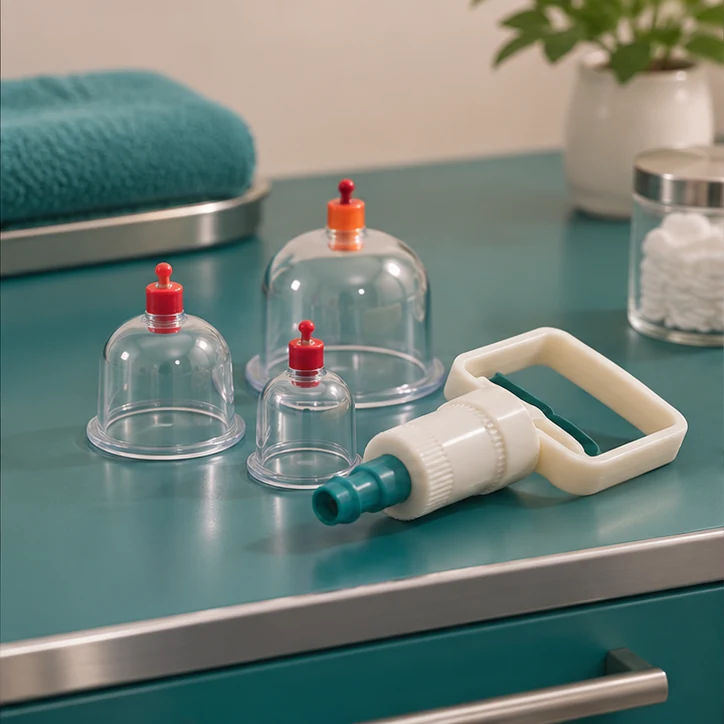
Before booking, mention your diagnosis if it is known and tell the practitioner about your medications and health conditions, then ask about the type of cupping proposed and why it was chosen. Wet cupping involves scratching the skin and blood may be drawn, while dry cupping uses suction without intentional scratching. Cupping may cause bruising, skin discoloration, burns, or infection, and the U.S. reference also notes rare reports of serious complications after cupping on the scalp. Do not attempt it yourself because of where the pain is.
You can ask how equipment is handled between visitors and what to do if a problem appears after the session. If you are told that the procedure is guaranteed or that it makes diagnosis or medication unnecessary, take that claim to the doctor who manages your headaches. You have the right to postpone your decision until the risks are clear or you understand how it fits your plan. If the headache at the time of your session is different from usual, ask for appropriate assessment first according to the symptoms that have appeared.
What should you bring to the appointment?
It is enough to start with three things: an example of your most recent attack, the names of the medications you took, and one question about the outcome you want from treatment. Your goal may be fewer days off work or knowing what to do when an attack begins. If you are going to ask about cupping, bring the name of the proposed procedure instead of settling for 'a folk remedy.' Before you leave, ask when the diary should be reviewed and what change would call for a faster assessment. These details help you follow through with your decision instead of judging it by one good day or one bad day.
If it is hard to explain how often you get headaches, open last week's calendar and review the appointments you changed because of it. Also note the days you completed your activities despite the pain. Having both in your notes shows the difference between simply having a headache and its impact on your life. If you have more than one pattern, such as frequent mild pain and an occasional severe attack, record each one with its features instead of merging them into a single description.
Sources
Frequently asked questions
Does cupping treat migraine?
Cupping has been studied in migraine, but the evidence is limited and is not enough to adopt it as an established treatment or to change the plan your doctor has made.
Can cupping be done during a headache attack?
Follow the attack plan you discussed with your doctor. If the headache changes or a concerning sign appears, seek appropriate assessment before considering any session.
When do I need emergency care?
Seek emergency care if the headache is sudden and severe, or if it is accompanied by new weakness, speech disturbance, or a change in consciousness.