
If this is your first time reading about cupping
When you hear about a cupping session, the first thing worth clarifying is which type of session is meant. Some people use the word cupping when they mean dry, and others mean wet. If someone is telling you about their experience, ask whether the session was suction only or whether it involved incisions. The answer changes the picture you imagine and the questions you need to ask. You can start your inquiry to the center with a short sentence: “I want to understand the difference before I choose an appointment or a package.”
According to the US National Center for Complementary and Integrative Health, both methods use cups that create suction at the skin's surface. The main difference is that dry cupping does not involve making openings in the skin, whereas wet cupping involves making superficial openings through which blood comes out. Knowing this difference helps you read service pages and ask which procedure is meant, but it is not enough on its own to choose a method suitable for your case. Treat it as a starting point for talking with the specialist.
Dry cupping: what does suction only mean?
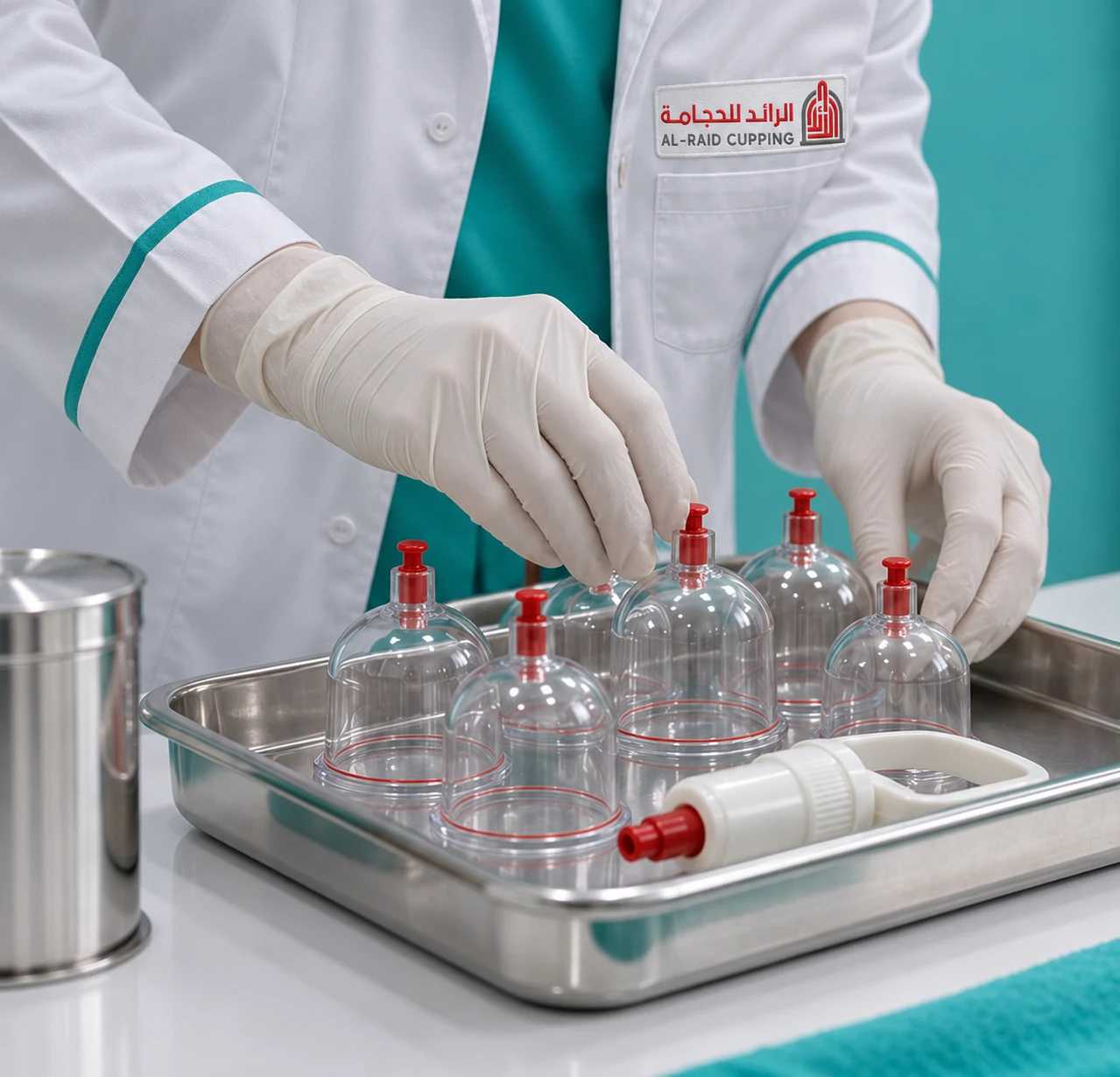
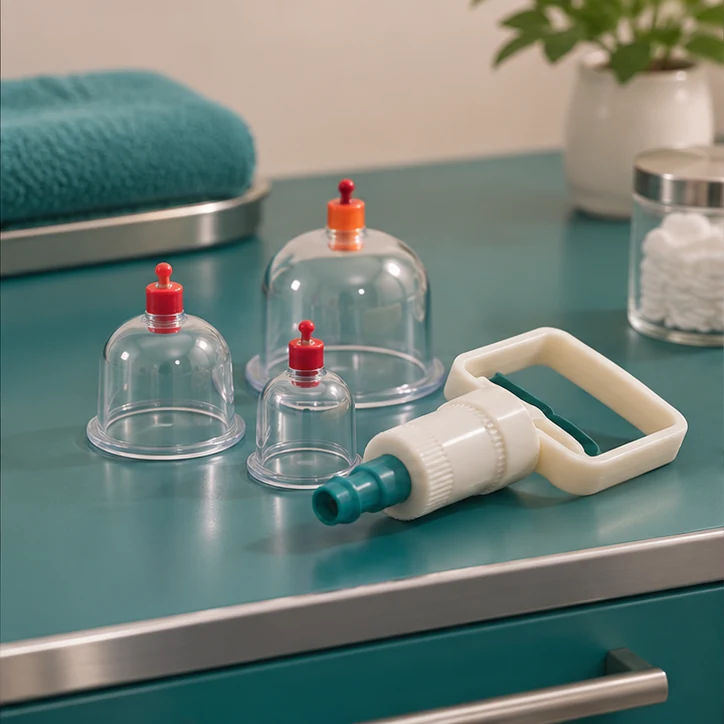
If the specialist describes the session as dry, ask how they prepare the cups, which positions they suggest, and when you will have a chance to ask questions before they are placed. The tools used to create suction vary. You may hear about a pump, and you may read about methods that use heat. You have the right to know which method is intended at the actual appointment, because the details you read on a general page may not describe the tool used in your session.
The absence of incisions does not mean the skin will remain as it was before the appointment. The health reference notes that cupping may leave temporary marks, and that possible effects include longer-lasting discoloration, burns, or infection. Ask the specialist what you may notice at the cup site and when you need to seek advice. And if you are planning an activity where the cup sites will be visible, mention that when asking about possible marks. It is better to make your decision with the awareness that the appearance of a mark and the time it takes to fade may vary.
Wet cupping: which question changes?
With incisions and blood coming out, the visitor needs to understand an additional step before agreeing. Ask the specialist to explain when this step happens, who performs it, and how they prepare for it, then ask about after-session care instructions. And if you are hesitant because of the blood or the sensation during the appointment, say so instead of waiting until the session begins. You can agree with the specialist on a stop signal or ask them to tell you before moving from one step to the next.
If you use medications, or have a health condition or instructions from your doctor, share that in the conversation before the session. Prepare the names of your medications from the prescription or the package if you are unsure of them. And discuss any change in medication for the sake of the appointment with the doctor who prescribed it. You can tell the specialist: “I have instructions from my doctor and I need to check how they apply to this session.” It is better for this discussion to come before choosing the method and confirming that you will begin.
What happens before the cups are placed?
The steps that matter to you begin before the skin is touched. Ask the specialist why they suggest a particular type and which areas they want to work on, and whether any detail from your health history affects the decision. If you read a description of packages that differ in the number of cups, ask about the number and the type separately. The price question at booking may be separate from the conversation with the specialist about the procedure. Try to find out when each decision is confirmed, especially if the package may need to change after the discussion.
In the room, ask for the arrangement that helps you feel comfortable and communicate. If you need more privacy, or want the specialist to explain the steps while you are seated first, say so from the start. You do not need to agree before you understand what will happen. And if you decide to postpone the session until you have asked your doctor or learned the cost of a different option, tell the team your decision before it begins. These questions help you enter the session knowing what you have agreed to, instead of relying on a name you heard or someone else's experience.
What should you ask about the tools?
The question may feel awkward on a first visit, but you can ask it directly: “Which parts of the tools are single-use, and how do you prepare the other parts between visitors?” The health reference explains that cupping equipment can be contaminated with blood, even in dry cupping unintentionally, and that sharing equipment without sterilizing it may transmit bloodborne diseases. This is a point about the preparation itself, so it is useful to know what is done before the session begins.
If you do not understand the specialist's answer, ask them to distinguish for you between the parts that are opened for the visitor and the parts that are reprocessed according to the procedure followed. Ask who handles this step and when it is done. You do not have to judge the center's procedures from the appearance of the room alone. A clear answer to a specific question helps you more than a general phrase. And if you still have concerns, take your time before agreeing and ask to speak with someone who can explain the preparation to you.
The difference in experience and the limits of what we know
You may hear from someone that they felt relief after the session. This describes what they felt, and it may help you learn what the visit was like for them. But results vary between people, and the available evidence on pain relief with cupping is not strong. Likewise, there is not enough high-quality research to conclude that it is beneficial for other conditions, according to the health reference. If you are trying to deal with a persistent symptom, ask your doctor about its cause and the options that suit it before basing your decision on people's experiences.
The difference in how dry and wet cupping are performed does not by itself determine that one is better for your goal. Ask the provider about the evidence they rely on if you hear a specific claim, such as that a certain method will treat the cause of your pain or will guarantee that it does not return. Distinguish between the sensation during the appointment, the change you may notice afterwards, and the medical question about the cause of the symptom. Each one needs a different kind of answer.
What should you ask about before leaving?
Ask for written care instructions if possible, and ask what to do if one of the instructions is unclear at home. Mention the type of session when you follow up, because a question about a cup mark is different from a question about an incision site. It is also useful to record the day and what the specialist told you about follow-up, so you can refer back to it instead of comparing your details with photos or advice when you do not know whether they relate to the same type.
Before booking a new appointment, write down what you want clarified: is it the difference between the two methods, the suitability of the session for your case, or the cost and availability? Appointment and price questions can be answered by the reception team, while the suitability of the procedure for your case needs a health discussion with the specialist or your doctor. If you separate these questions from the start, it becomes easier to get the information you need and to review what you agreed to before any session begins.
An example of a conversation before booking
You can say: “I read about dry and wet. I want to know whether the type is decided at booking or after discussing it with the specialist. And if I have instructions from my doctor, when should I mention them?” After the reply, note the question that remains open and ask it at your appointment before the tools are prepared. And if the package or the method changes during the discussion, confirm the name, the price, and the care instructions associated with the new option. That way you handle each step at its proper time and know what to ask, instead of trying to memorize the details of both methods from the internet.
Sources
Frequently asked questions
Is dry cupping painful?
You may feel tightness or pulling, but the pain varies depending on the area and the strength of the suction. Tell the specialist if the suction is uncomfortable.
What is the difference between dry and wet?
Dry relies on suction without incisions. Wet includes incising the skin and blood coming out. Ask the specialist about tool preparation and care instructions before starting.
How long do cup marks last?
It varies from person to person, and light marks usually fade within days. If pain persists or signs of infection appear, see a doctor.