

Describe the path of the pain instead of relying on its name
If pain begins near the lower back or buttocks and travels down the leg, you may hear people around you call it sciatica. This description usually refers to pain related to irritation of a nerve in the lower back, and it may be accompanied by numbness, tingling, or weakness. But the location of the pain alone does not determine its cause. It helps to note where it starts and where it reaches, and whether it is on one side or both. If it has changed since the beginning, mention the direction of the change as well. This information helps with assessment more than saying only that the pain is 'in the nerve.'
When you book a medical appointment, try describing an ordinary day affected by the pain. You might say: 'I walk to the car, and then the tingling starts down to my foot,' or 'I can walk, but sitting at work has become harder.' The doctor may also want to know whether coughing or sneezing makes the pain worse, and when you first noticed the numbness. Describe what actually happens to you, and do not test your movement forcefully just to confirm the description. If you have had similar pain before, distinguish between what happened then and what has changed this time.
Signs that need emergency care
Go to the emergency department immediately if sciatic pain appears on both sides, or if you have severe or worsening weakness or numbness in your legs, or you have lost sensation around the genitals or anal area. Difficulty starting urination, inability to urinate, or loss of bowel or bladder control, when these are new symptoms with this pain, also need emergency assessment. These signs may indicate a problem that requires prompt treatment. Do not wait for a cupping appointment or a natural treatment if they appear, even if this is the first time you have felt them.
Not every case of leg pain requires emergency care. But if it is getting worse, prevents you from doing your usual activities, or has not improved after a period of time, arrange a medical assessment. Ask for earlier guidance if you notice new weakness or a significant change in sensation. It is useful to record when the symptom began and whether it is changing, without delaying care in order to write down the details. If you need to go to the emergency department, bring your medication information if it is within reach.
Are back pain studies enough to judge sciatica?
Studies of 'low back pain' may include people who do not have sciatica symptoms. Therefore, a result showing improvement in back pain after a particular procedure does not mean that the procedure treats nerve irritation or benefits someone with weakness or numbness. Some studies assess pain sensation after days or weeks, while the question that may matter most to you is whether walking ability improved, a specific weakness resolved, or the improvement continued after the intervention ended.
The U.S. National Center for Complementary and Integrative Health notes that some studies of cupping for back pain found encouraging results, but differences in cupping types and study quality make the comparison uncertain. In a randomized trial that compared dry cupping with a sham cupping procedure in people with chronic nonspecific back pain, dry cupping showed no significant additional benefit. This trial does not settle the specific case of sciatica, but it shows why the participants and the comparison method must be considered before transferring the result. The available evidence is not enough to say that cupping removes pressure on a nerve or treats the cause of sciatica.
What to expect from a medical assessment
The doctor will ask about the onset and path of the pain and its impact on your life, and may examine strength, sensation, and movement according to your symptoms. If imaging is not requested at the first visit, ask about the reason for that decision and what might make it useful later. NICE guidance recommends against routine imaging in the non-specialist assessment of low back pain with or without sciatica. In specialist care, imaging is considered if it is expected to change the treatment approach.
The plan may include guidance to stay active within your ability, exercises chosen by the practitioner for your condition, or follow-up according to your progress. Ask for an example of an activity that suits your day instead of a general phrase such as 'move more.' Also ask what to do if the pain worsens or new symptoms appear, and when the plan should be reviewed. If you spend hours in the car or work standing up, mention that so the discussion is related to your circumstances. It is also useful to know what the practitioner will consider a practical improvement at the follow-up appointment.
If you want to discuss cupping as part of your plan
Bring the doctor a description of the procedure you are considering, state whether it is dry or wet, and tell them about medications, skin problems, or any relevant previous experience. Ask how this procedure affects the current follow-up plan, and whether there is any reason to postpone it. If you are receiving a natural treatment, tell that practitioner as well so they know what has changed between your appointments. Avoid changing medication or stopping follow-up based on a temporary feeling of relief.
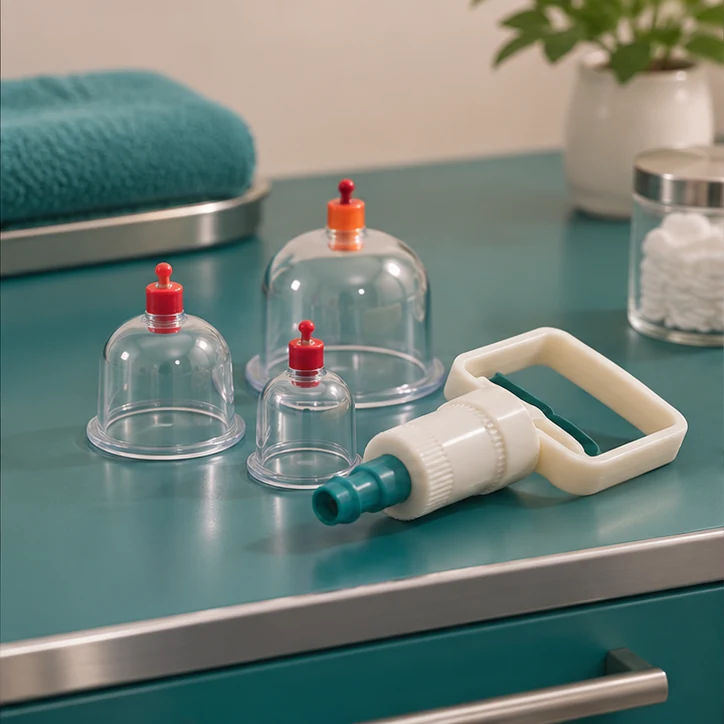
Before making a decision, ask about side effects and hygiene precautions. Cupping can cause skin effects, burns, or infection, and wet cupping involves scratching the skin and blood being drawn. Ask for an explanation of how equipment that may contact blood is handled, and whom to contact if a problem appears. If you hear a promise that the procedure 'releases the nerve' or fixes the cause of the pain, ask for an explanation you can discuss with your doctor. The phrase may sound reassuring, but it does not give you evidence that what is happening in the nerve has changed.
Measure what matters to you in the following week
Pain may be milder in the morning and then increase after sitting for a long time. So choose a clear activity you can compare from one day to another, such as walking to a nearby place or tolerating a car trip. Record what you were able to do and how long the activity lasted, along with numbness or weakness if you noticed them. Do not confuse being able to walk a longer distance with the numbness disappearing; each may change in a different way. If any of the emergency signs occur, seek care immediately instead of waiting for the follow-up where you planned to log your observations.
At the follow-up visit, describe the situation that hinders you most and mention what you have tried and when. If you started exercises and changed your medication during the same period, say so before attributing the improvement to one cause. This description helps you and the doctor identify what should be reviewed. Ask about the sign that means the plan is moving in the right direction, and when you need another assessment. The purpose of the notes is to reach a decision based on a change in your activity and symptoms, not to make you remember every day in detail.
What helps when arranging the visit?
In your note, include the date the pain began, its location, and any change in strength or sensation, and bring the names of the medications you use. If you have had a previous assessment, record its result and what the team advised you. Write a specific question about the activity you need to return to, such as driving or walking a certain distance. This start makes the consultation clearer and gives the practitioner a chance to explain what suits your condition and what can be reviewed later.
If someone offers you a new procedure, ask about its purpose before you agree. Is it intended to try to relieve pain for a short period, or does it claim to change the cause of the pain? And how will you know that the result is worth the time and cost? Bring the answer to your appointment if you are not sure what it means. If the pain eases but the numbness or weakness changes, mention both separately, because each piece of information helps assess a different aspect of your condition.
Sources
- U.S. National Center for Complementary and Integrative Health: Cupping
- U.S. National Center for Complementary and Integrative Health: Low back pain
- Randomized trial: dry cupping compared with a sham procedure for low back pain
- UK National Health Service: Sciatica
- NICE guidance on low back pain and sciatica
Frequently asked questions
Does cupping cure sciatica?
The available evidence is not enough to prove that cupping specifically benefits sciatica or treats its cause. Results from studies of nonspecific back pain do not apply directly to nerve irritation.
Are there cupping points proven to treat sciatica?
There is not enough evidence to recommend cupping points for treating sciatica. Discuss your symptoms with a doctor first to determine the cause and care options.
When should I go to the emergency department?
Go to the emergency department immediately if sciatic pain appears on both sides, or if there is severe or worsening weakness or numbness in the legs, loss of sensation in the genital area or around the anus, or a new change in bowel or bladder control or difficulty urinating.