
Which benefit do you mean when you ask about cupping?
You may ask two people about the benefits of cupping and get two different answers. One talks about relief they felt after a session, and the other is waiting for improvement in a health problem with a specific diagnosis. Before reading studies or booking an appointment, define the outcome that matters to you. Do you want a particular pain to ease, to be able to do an activity that has been difficult, or are you looking for treatment for a diagnosed disease? These are different questions, and each needs a type of evidence that suits it. An outcome that measures how you feel on the same day is not enough to answer the question of the procedure's effect on a disease months later.
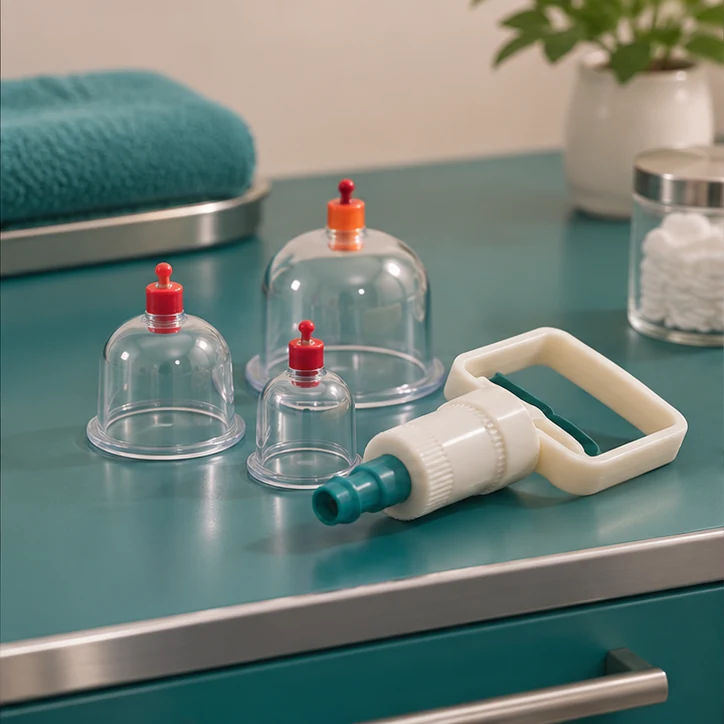
Dry cupping relies on suction without intentional scratching of the skin, while wet cupping involves scratching the skin and blood being drawn. The devices, cup placement, and application method may also vary. So when you read about a study, look at the procedure it actually tested. You may find that the title mentions cupping in general, while the study examines one type in a specific group of patients. This detail matters before you transfer the result to a different session or to a condition the researchers did not study.
What does the evidence say about pain relief?
The U.S. National Center for Complementary and Integrative Health explains that cupping may help relieve pain, but the evidence is not strong, and most available research is of low quality. Some studies of back pain found improvement, but differences in procedures and comparison methods reduce confidence in the result. In practice, you may find mixed results even when looking at the same problem. So it is worth asking about the size of the difference, how long it lasted, and whether it was noticeable in the activities participants performed, rather than settling for the word 'improvement.'
One example is a randomized trial in people with chronic nonspecific low back pain. The study compared dry cupping with a similar sham procedure and found no significant additional benefit of dry cupping in pain, function, or movement in that trial. This example has clear limits. It cannot be generalized to all forms of cupping or all types of pain, but it shows why comparison is an essential part of reading a result. The fact that people improve after starting a procedure does not by itself tell us how much of the improvement is due to the procedure itself.
How do you read a study result without a medical background?
Start with four pieces of information usually found in a study summary: who took part, what they tried, what the researchers compared the results with, and when they measured the difference. If the trial compared a session with usual care, check whether both groups received the rest of their care in the same way. If one group was described as receiving a sham procedure, try to understand what was similar to the actual procedure and what was different. This information helps you understand the question the researchers tried to answer instead of treating the study title as a verdict on all types of cupping.
Also pay attention to the difference between an improvement that can be detected in numbers and an improvement that changes a person's day. A pain score on a scale may decrease, but the question remains whether the person can walk longer or work more easily. Results may vary from one person to another even if the group average improved. So read what they actually measured, who completed follow-up, and whether they monitored side effects. If the summary does not answer these questions, share it with your doctor if it is relevant to your decision instead of filling the gap with assumptions.
Claims that need specific evidence
You may hear that cupping treats high blood pressure, diabetes, or delayed conception. The existence of research on pain does not prove these claims. Each condition needs studies that follow its own outcomes and compare the procedure with what happens under appropriate care. If the result in an advertisement relates to a single analysis or a general feeling of energy, ask whether the researchers actually measured what the advertisement promises. Do not change prescribed treatment or postpone an examination because of a promise of a general benefit. Tell your doctor the name of the procedure and what you were told about it so you can discuss the possible benefit and risks in light of your condition.
A common statement is that the color of the mark or the blood shows how much 'toxin' has come out. The color of the mark caused by suction, or the color of the blood in wet cupping, cannot be relied on to measure toxins in the body or to diagnose disease. If you have symptoms that need an explanation, it is better to describe them to the doctor along with when they appeared, and leave the choice of tests to them according to the condition. If you hear a claim linking the intensity of the skin mark to a better result, ask for the evidence instead of requesting a more intense procedure to get a darker mark.
Safety is part of the benefit calculation
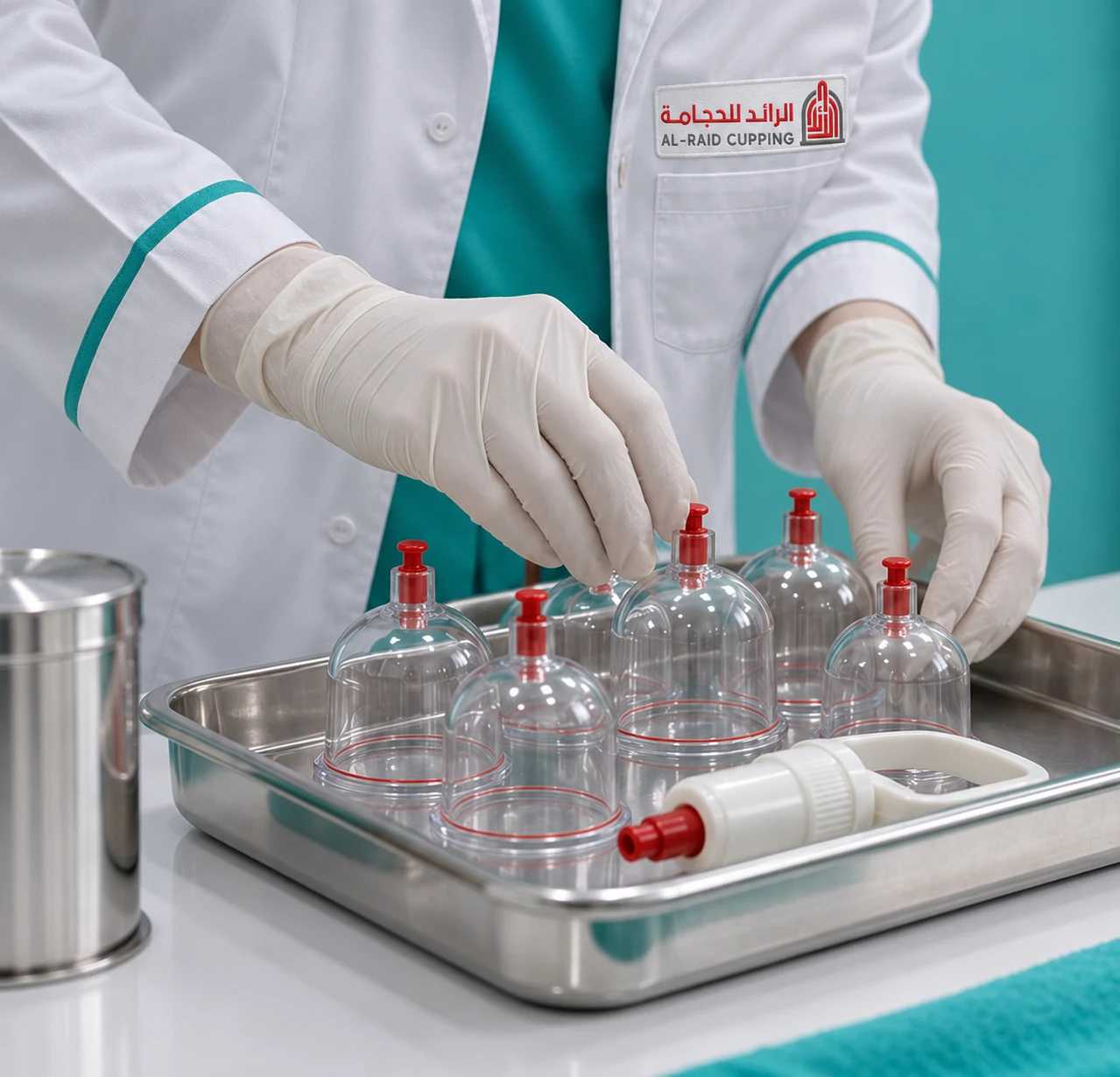
Before comparing prices or the number of cups, ask about the nature of the procedure, who will perform it, and how equipment is handled. The U.S. reference notes that cupping may leave temporary marks and may cause persistent skin discoloration, scarring, burns, or infection, and may worsen some skin problems such as eczema and psoriasis. Equipment may also be contaminated with blood, and reusing it without appropriate sterilization may transmit bloodborne infections. Ask which items are single-use and how other equipment is prepared between visitors.
Tell the practitioner about medications and health conditions that may affect the decision, and discuss the suitability of the procedure with your doctor before booking if you have questions about bleeding, medication, or a skin problem. Ask what to watch for after the session and what to do if a problem appears. If the safety answer is unclear, take your time before agreeing. Feeling comfortable asking questions is a practical part of the visit, especially if this is your first meeting with the practitioner or you are considering a procedure that differs from your previous experience.
How do you review your decision after the session?
If, after discussion, you decide to try cupping, choose an outcome you can describe at a later follow-up. Your goal might be to sit in the car for longer or to be able to complete a trip that used to stop you. Record the activity before and after the session at close intervals, and tell your doctor if another treatment changed during the same period. If a problem or new symptom appears, record when it happened and seek appropriate assessment instead of assuming it is part of the session's effect. These notes do not prove cause, but they ground the follow-up conversation in what actually happened.
If you find that the feeling of relief did not last or did not change the activity that matters to you, take that into account before paying for additional sessions. You can ask: 'What is the thing we expect to change, and when should we review if it does not?' If you are looking for a diagnosis or treatment for a specific disease, start by discussing the options with the appropriate doctor. Bring the claims you have read with you, and ask for clarification of what the evidence supports for your condition and what you can monitor yourself between appointments.
Questions you can take with you
Write down the name of the proposed procedure, the outcome you want, and the question you need answered before deciding. Example: 'I have pain that limits walking; did the research suggesting pain relief include people with the same diagnosis as mine?' You can add a question about your specific risks and how they compare with available care alternatives. If the answer relies on results that do not apply to your condition, or if it does not specify when to follow up, ask for clarification. These questions help you evaluate the decision in terms of time, cost, and the impact that matters to you personally.
Sources
Frequently asked questions
Is cupping safe?
It may cause skin effects, burns, or infection, and the risks vary depending on the type of session and your health condition. Ask the practitioner about sterilization, and discuss with your doctor any medications or conditions that may affect suitability.
Does it treat high blood pressure or diabetes?
There is not enough evidence to consider it a treatment for either. Continue the prescribed treatment and follow up with your doctor.
Does it remove toxins from the body?
There is no scientific evidence to support this claim. The color of the mark or blood cannot be interpreted as a measure of toxins or as a diagnosis of disease.