

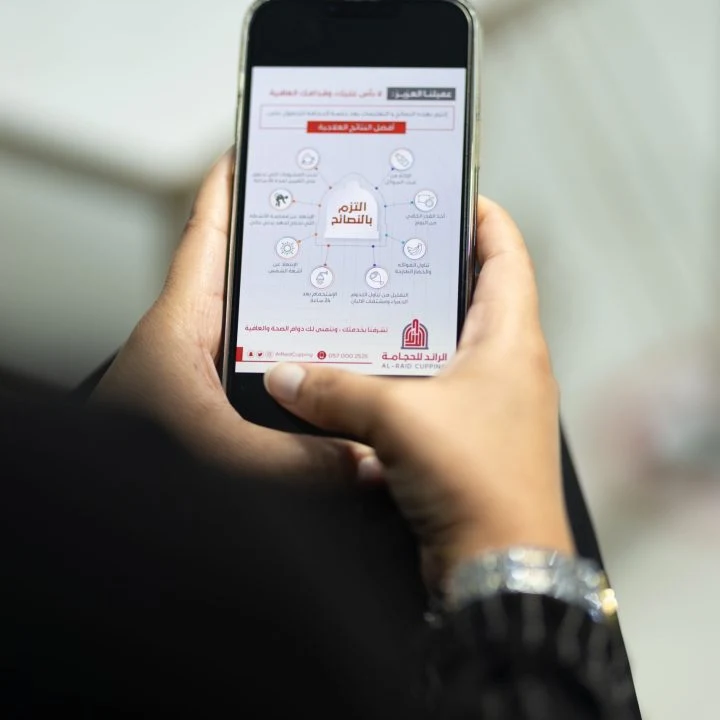
Start the Follow-Up While You Are Still at the Center
At leaving time you may be busy paying or waiting for your companion, so you hear the instructions quickly and only realize you did not ask about the most important point after you get home. Before you get up, ask the practitioner for the aftercare instructions specific to today's session. If you receive written guidance, ask where to find the points that apply specifically to you. If the explanation is verbal, record two lines on your phone: what was recommended, and when you need to ask. If you have previous instructions from your doctor, clarify them when you ask.
Also ask about the channel the team follows up on after the appointment. You may have an old conversation with the person who arranged the booking, but you need to know whether to follow up there or to ask to contact the practitioner another way. Ask about the time during which inquiries are reviewed, and how to act if you cannot reach them. Get this information before you actually need it, especially if the session is before the end of the working day or if you will be traveling after the visit.
Keep a Few Details That Are Easy to Refer Back To
Write the appointment date and the type of session as you heard them from the practitioner, and note the package name if you need it when inquiring. You do not need to memorize every step or recall its order later. The purpose of the note is to help the person answering you identify the visit and the question in mind. If you receive instructions in a message, save it under a name that is easy to distinguish from appointment messages, or mark it within the conversation. If you have a paper copy, keep it somewhere you know rather than leaving it with receipts.
If this is your second visit, write the new appointment's instructions in a separate note. In old messages you may find guidance for a previous session, and you may not be sure whether it still applies. When in doubt, tell the practitioner the text of the point you want clarified and specify which date it dates from. You can say: "I received this guidance after Sunday's session, and I want to confirm whether it is also meant for today's visit." Comparison is easier when you know the source of each piece of guidance.
Identify the Type of Inquiry Before Sending the Message
There is a practical difference between a question about an invoice or an upcoming appointment, a question about a phrase in the aftercare instructions, and a matter that needs a health assessment. If the question is administrative, state the date and what you want directly. If the question concerns the practitioner's instructions, copy the phrase that confused you and ask what it means. Saying "The instructions mention such and such; does this phrase mean this or that?" is more useful than asking for the whole explanation again without specifying what remained unclear.
If you are asking about a health matter you noticed, describe what happened, when it started, and what you want to know. You can ask which health provider you should contact if the inquiry needs an assessment. If you believe the situation is urgent, seek prompt care from the appropriate provider. It is useful to ask the practitioner before leaving about the situations in which you need to consult a health provider, so that your first decision at a time of worry is not to wait for a reply in a conversation not intended for emergencies.
A Message That Is Clear on First Reading
Start with the appointment: "Good evening, I visited you on Monday and my session was in the evening." Then state the inquiry on a separate line. For example: "I have a question about the second point in the written instructions. Could the practitioner clarify when it applies?" If your question depends on a reply you received from the team earlier, mention the date of the reply or rewrite the relevant part. This way the person reading your message can identify what is needed, even if they are not the same person who dealt with you when booking.
You may need to describe when you noticed the matter you are asking about. "I noticed it this afternoon" is clearer than "a while ago," and stating whether your question is about instructions or about an assessment helps the team direct you. If the reply comes with an additional question, answer it in the same conversation and then restate the question that remains open. Sending several separate messages over a short period can scatter the details. Gather them into one message that you read once yourself before sending, to make sure the order is clear.
Privacy in Follow-Up
Before sending an image, a report, or any personal detail, ask about the appropriate channel and who will see it. If you need an explanation of an administrative question, it is usually enough to give the appointment information to the extent that helps locate it. If someone replies from a different number asking for additional information, you can verify the center's official channel before continuing. As long as you are asking about a point in the instructions, you can start the conversation with the text of the point itself, then provide the other information in the way the team agrees with you.
If you are helping someone else follow up, ask them how they want you to help. Your role may be to remind them of the appointment date, read the instructions with them, or help them write the question. As for their health details, they choose what they want to share and by what means. If you call on their behalf, state that you are inquiring with their consent and expect that the team may ask to speak with them if the matter needs a direct explanation. This makes it easier to follow up on the question and preserves the person's opportunity to describe their own situation.
If You Did Not Receive the Answer You Need
First review what you asked about and whether the reply addressed the same point. If the team answered about working hours while your question was about aftercare instructions, write: "Thank you, I have a different inquiry about my session's instructions. Could you pass it to the practitioner?" If the reply did not clarify when to expect contact, ask for a suitable time to follow up. Keep the first message and its date so you do not have to start from scratch each time. If you move from WhatsApp to a call, give the person a one-sentence summary before going into details.
The practitioner may ask you to continue the conversation through another channel or to consult a health provider. Write down the guidance as you received it, and ask about any word you did not understand in the next step. It is useful to distinguish between waiting for a reply to an ordinary inquiry and a situation you believe needs prompt care. When arranging the call, say at the beginning what you want from it. This helps the person answering you know whether their role is to clarify the instructions or to connect you with someone who can answer a different question.
Before Arranging a New Session
If you call to ask about a second visit, mention that it is a follow-up to the previous session and that you have a question, if any. Ask the practitioner what needs to be reviewed before setting the appointment, and leave the decision tied to what you agreed on after discussing the details. If you have kept the notes and messages, you can quickly return to what you already received. If a point from the first visit remains unclear, take it with you to the next conversation instead of relying on guessing what the practitioner meant.
If the practitioner asks you to review a particular instruction before the next session, write down what you need to bring with you and which provider you will ask. Examples of what you can note: "I need to clarify my doctor's instructions with them, and contact the center after hearing their reply." If you asked to postpone the appointment until a particular point is resolved, ask whether the previous booking has actually been canceled or is still confirmed. This step separates the decision to follow up from organizing the appointment, and prevents you from keeping a booking at a time you no longer intend to attend, especially if you agreed to the change by phone and did not receive a confirmation message.