
How is wet cupping performed?
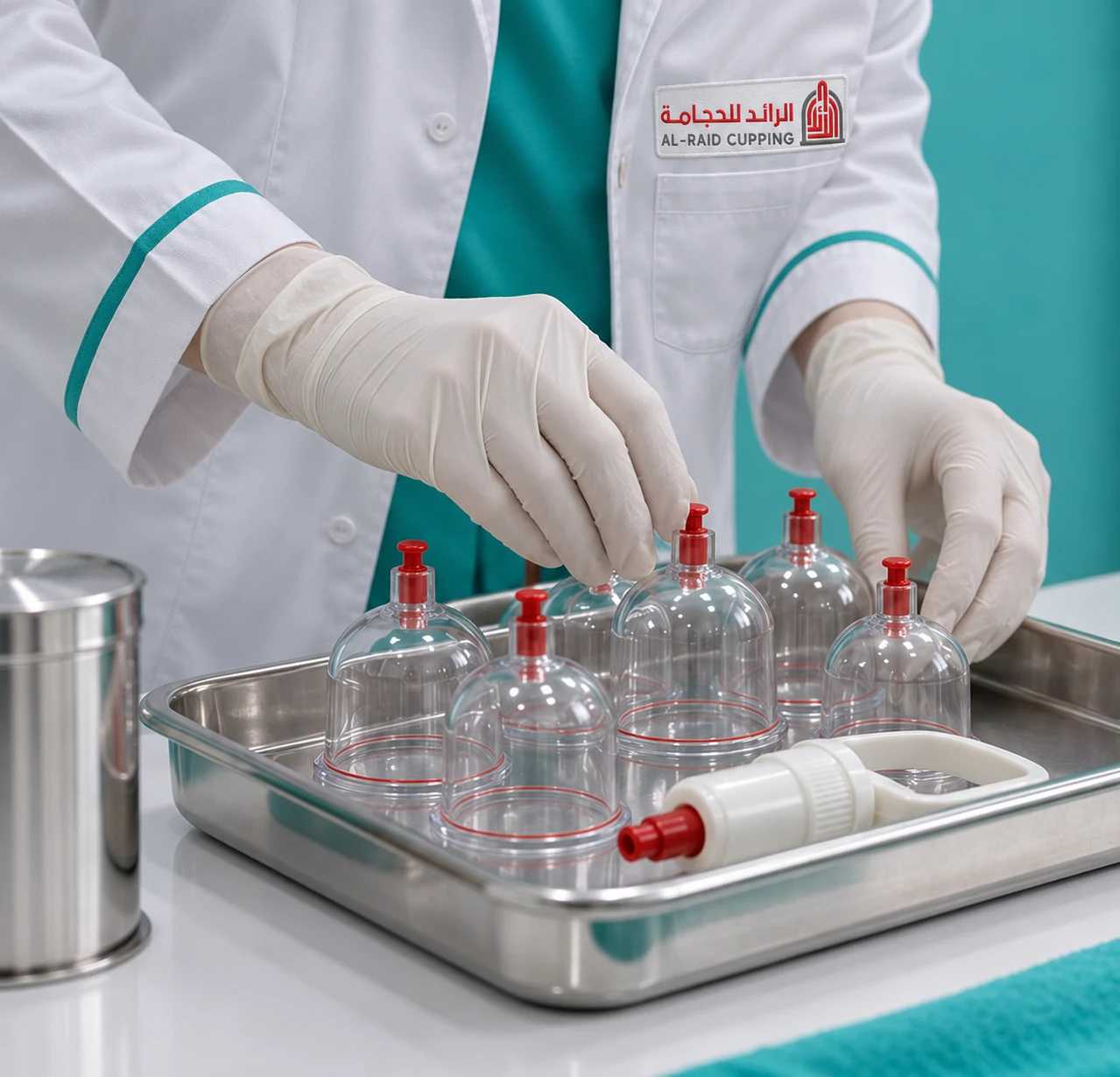
The session begins with dry suction. The specialist then makes small superficial incisions at specific points, and suction is applied again to release a small amount of blood. The cups are then removed and the area is cleaned and disinfected.
Clean or single-use instruments must be used, with careful hand and skin sterilisation. These steps are essential to reduce the risk of infection.
How much blood is released?
The amount varies according to the number of points and the duration of suction, and it is usually limited. There is no 'ideal' amount that suits everyone, and the session should not cause severe weakness or persistent dizziness.
If you feel dizzy, nauseous or sweaty during the session, tell the specialist immediately so they can stop and manage the situation.
What may it help with?
Wet cupping is sometimes used as part of a plan to relieve certain types of pain, but the evidence is limited and inconclusive. There is not enough evidence to consider it a treatment for a chronic disease or a substitute for medication.
Discuss the benefits and risks with a specialist, and do not delay seeing a doctor if symptoms persist or increase.
When should you avoid it?
Avoid wet cupping if you are pregnant, have a bleeding disorder, use blood thinners, have severe anaemia, have an infection or skin inflammation in the area, or have a weakened immune system, unless your doctor agrees.
Preparation and aftercare
Before the session
- Tell the specialist about your health condition, medications and supplements, especially blood thinners.
- Ask about eating and drinking instructions before the appointment.
- Avoid the session if you have an infection, fever or inflamed skin.
- Wear comfortable clothing that allows access to the session area.
After the session
- Follow the specialist's instructions on cleaning the area and resting.
- Drink enough fluids and avoid intense exertion on the same day.
- Watch for severe pain, swelling or signs of infection.
- Do not have another session before making sure the skin has healed.
When should you ask your doctor?
- If you are pregnant or trying to become pregnant.
- If you use blood thinners or have a bleeding disorder.
- If you have uncontrolled diabetes or severe anaemia.
- If you have an infection, skin inflammation or a weakened immune system.
When should you avoid the session?
Avoid cupping if there is inflamed skin, an infection or a fever, or if your condition is not stable. Ask your doctor when in doubt.
Frequently asked questions
Is wet cupping dangerous?
It may carry risks such as bleeding or infection if not performed with proper sterilisation. Tell the specialist about your condition and medications, and ask your doctor if you have contraindications.
Should I be fasting?
Ask the centre about eating and drinking instructions before your appointment. If you use diabetes medication, consult your doctor before changing your meals or doses.
Does it treat chronic diseases?
There is not enough evidence to consider it a treatment for chronic diseases. Continue with your doctor's plan and do not replace medication with cupping.